
Madagascar
2026-08-12
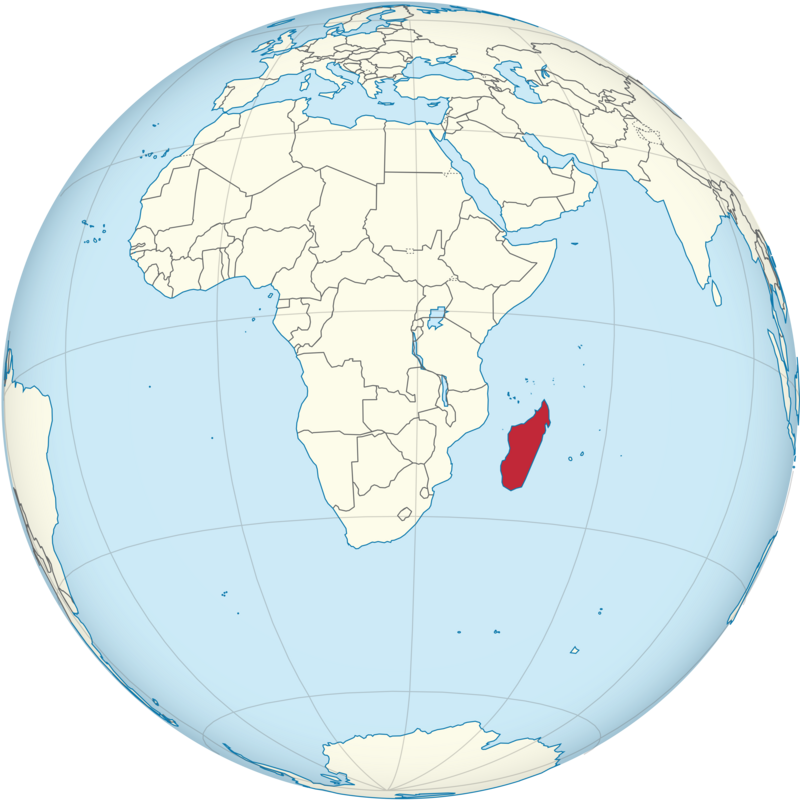
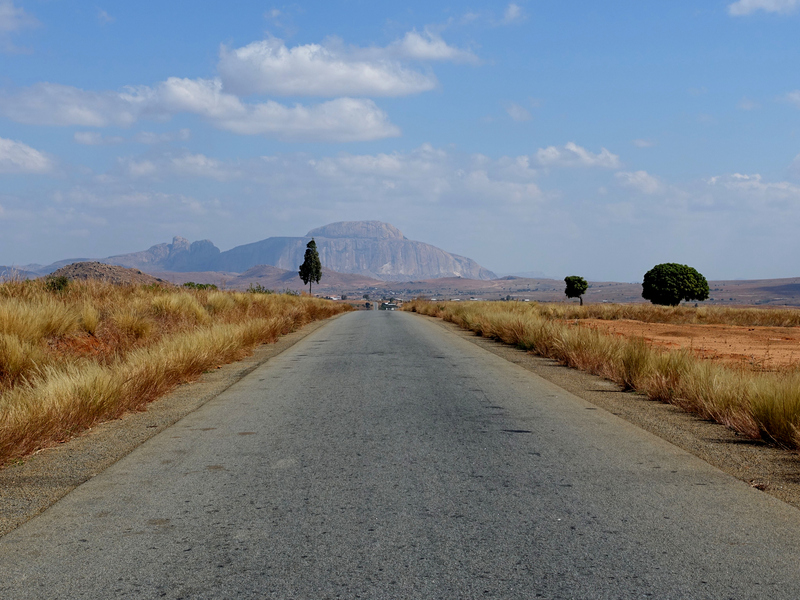
It takes a long time to get to Madagascar and equally long to get around once you're there. The plane flight takes forever and the local roads are shockingly rough. Betsy and Dex and I went for a three-week trip to see what we could see. We went, in order, to the southwest, the southeast, the west, and the east.
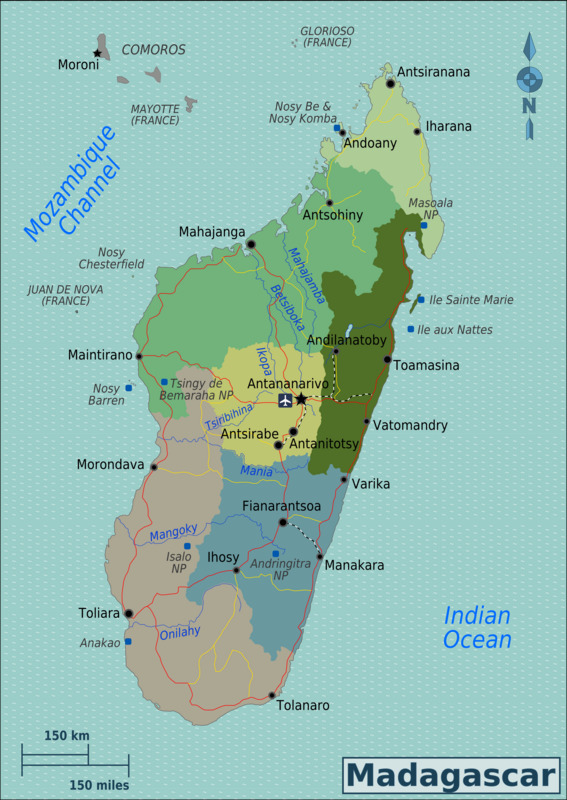
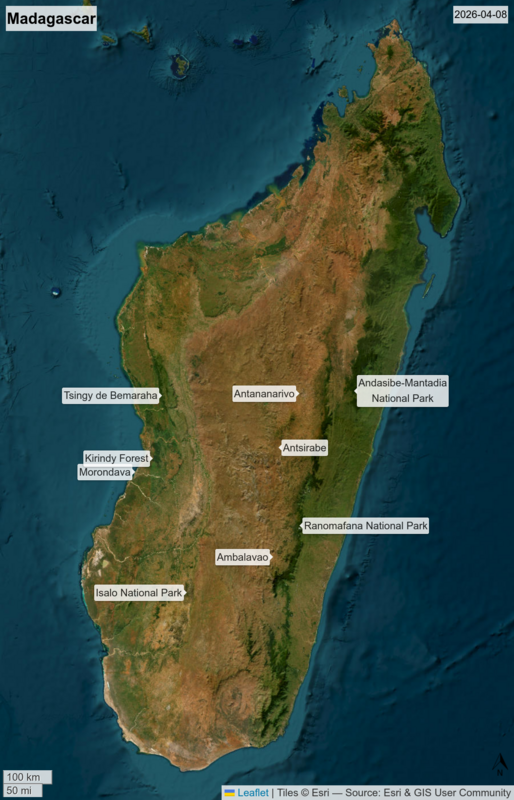
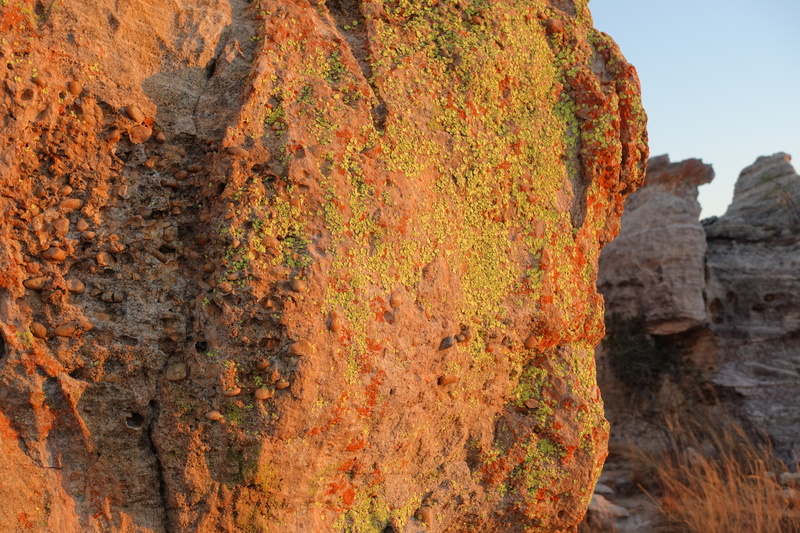
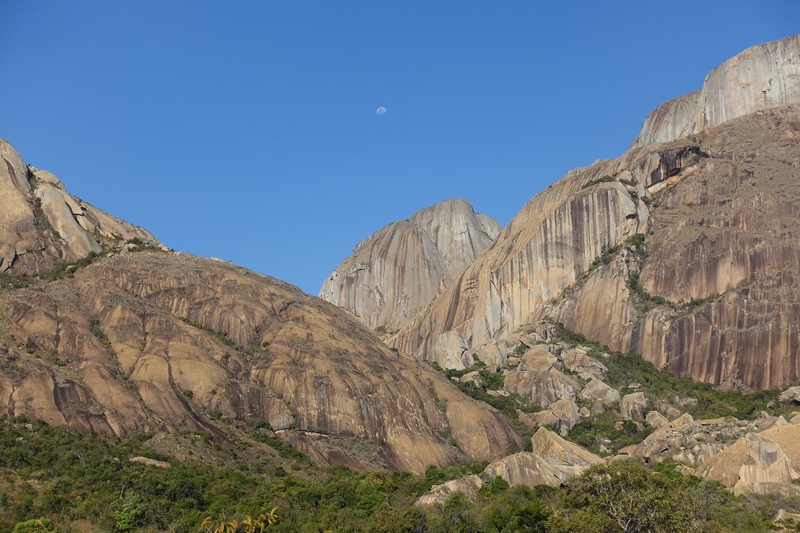
Isalo National Park and Anja Nature Reserve are in the dry southern highlands. Local ranchers raise zebu (indecine cattle) for food, and zebu is a staple of Malagasy cuisine (along with rice and beans), but up in the mountains there is other wildlife to be seen. The pachy podium (bottle tree) has an exotic look, and animals we saw include the ring-tailed lemur, brown lemur, Verreaux's sifaka (white sifaka), magpie robins, and a variety of chameleons.
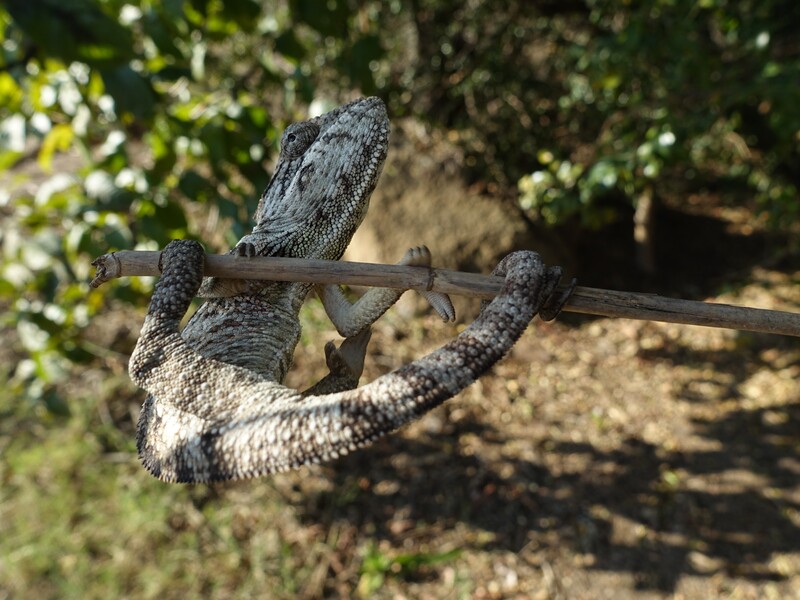
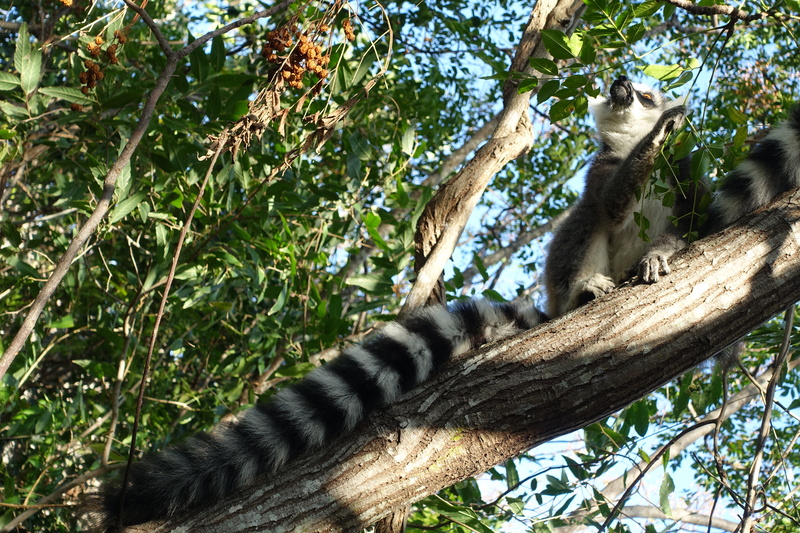
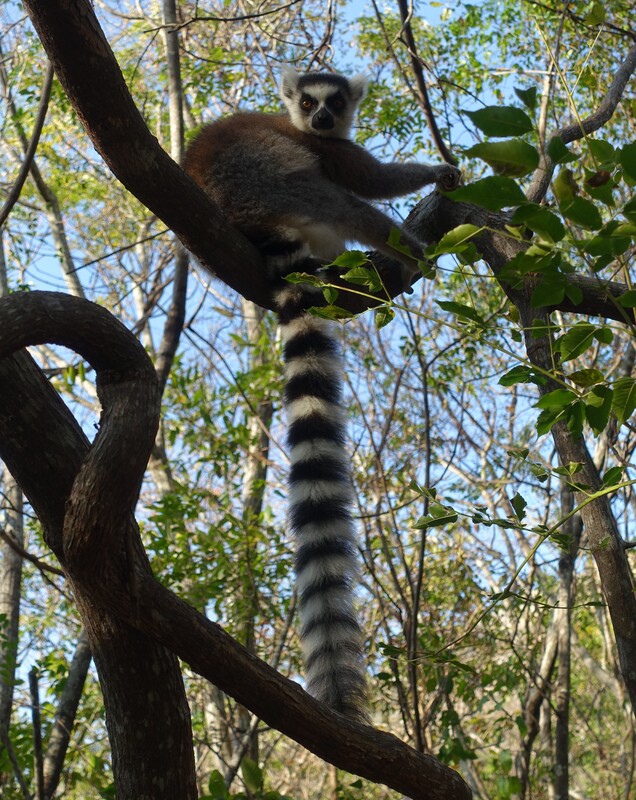
After several days in the highlands we drove east to Ranomafana National Park. Jungle lighting isn't ideal for amateur photography, but we got to see a lot over two night walks and also two day hikes, such as the blue-legged chameleon, O'Shaughnessy chameleon, elephant eared chameleon, nose-horned chameleon, brown mouse lemur, woolly lemur, golden bamboo lemur, Milne-Edwards' sifaka, black and white ruffed lemur (which looked like Dex with his wild beard and hair), red-fronted brown lemur, ring-tailed mongoose (which is not actually a mongoose), common bush brown butterfly, eyed ringlet butterfly, paradise flycatcher, pitta-like ground roller, red-tailed vanga, white-headed vanga, and a ridiculously well-camouflaged leaf-tail gecko.
After that, we drove to Antsirabe one day, Antananarivo the next, and took a day trip to King Andrianampoinimerina's summer palace in Ambohimanga before flying west to Morondava.
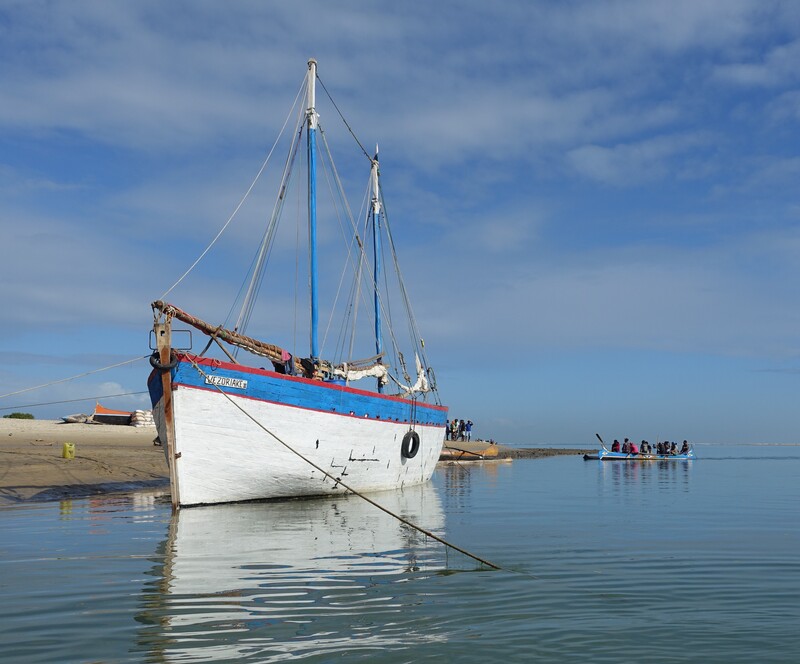
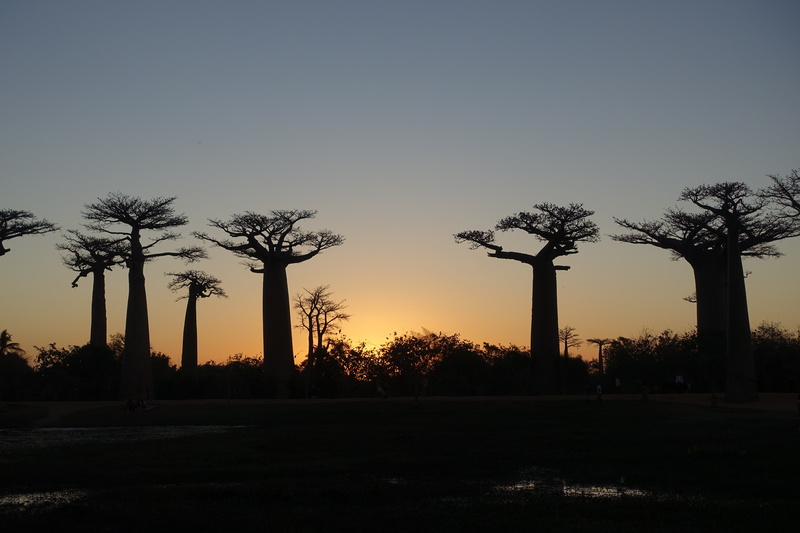
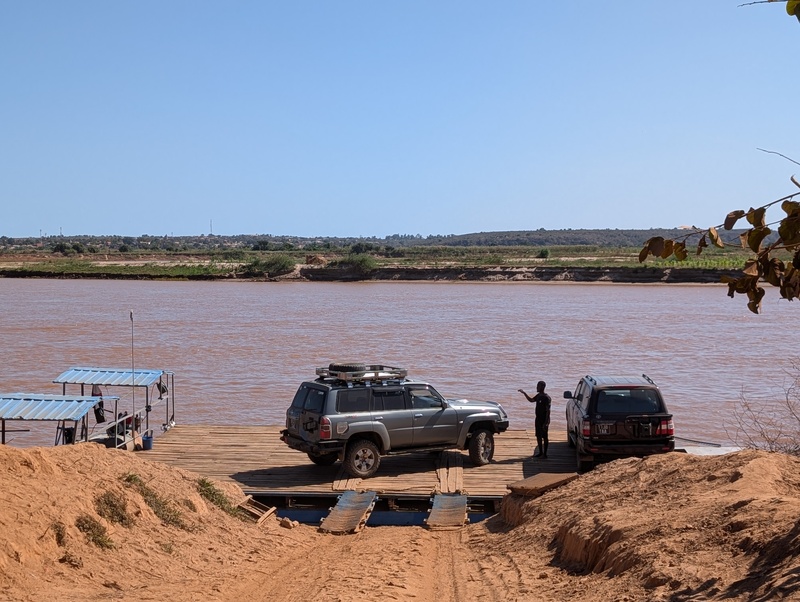
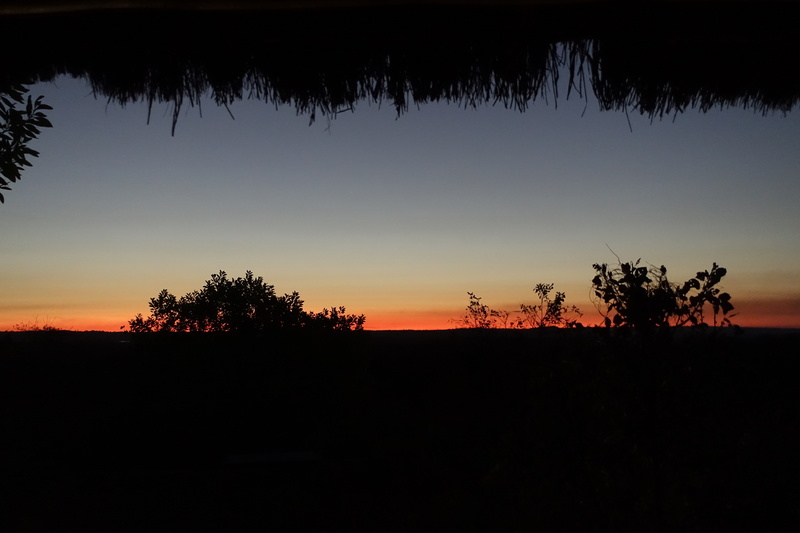
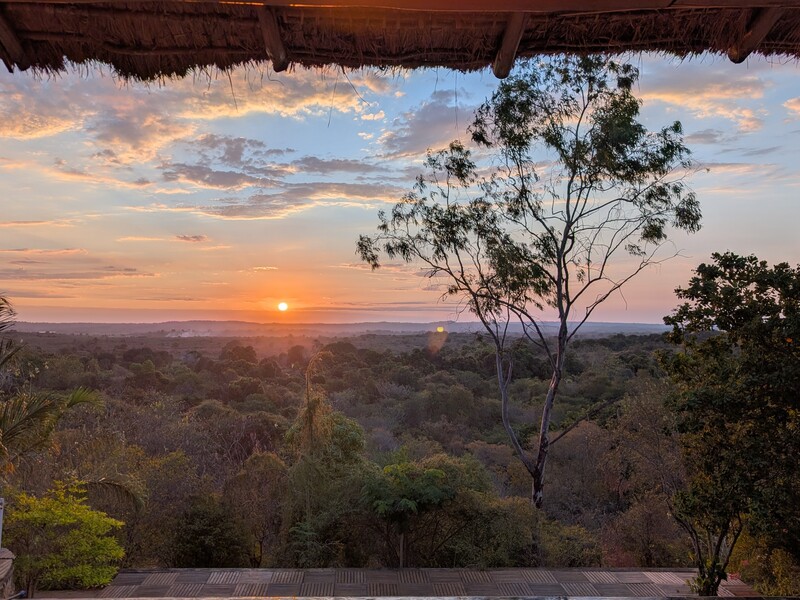
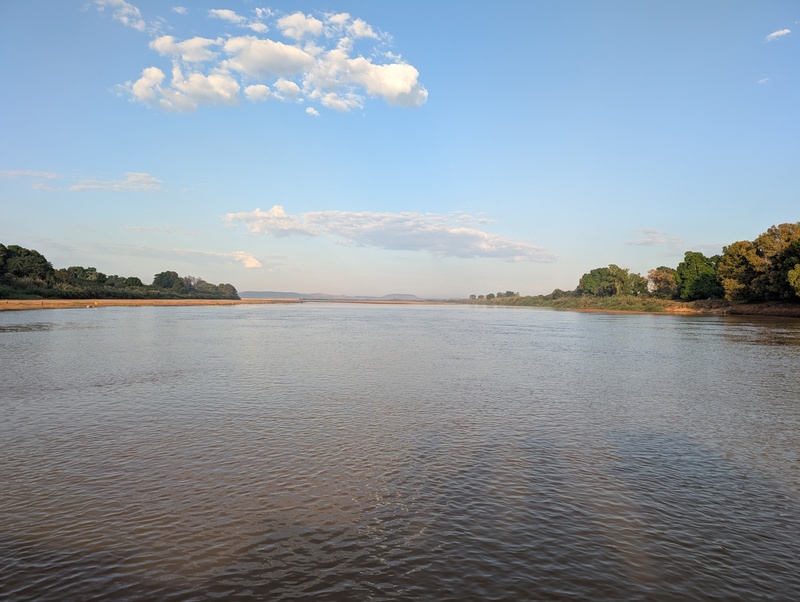
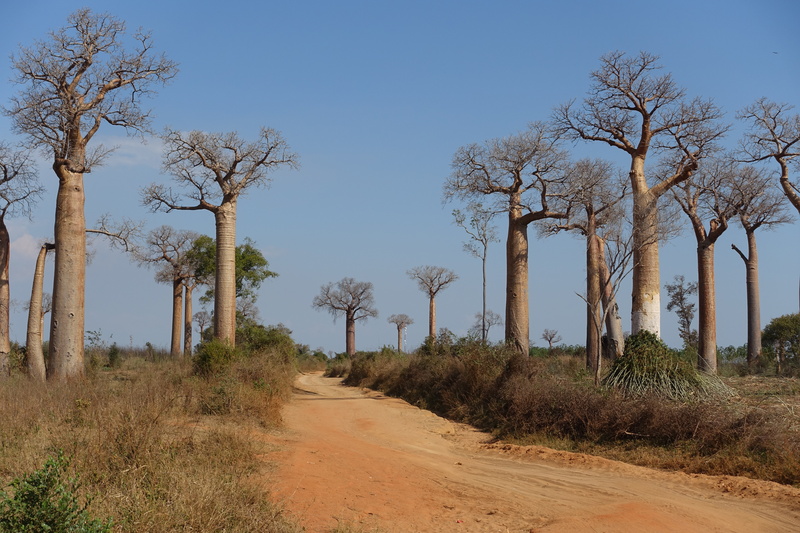
National Route 8 is a national highway, or so it says on the map, but if you were to drive north from Morondava, not long after passing Avenue of the Baobabs and Baobab Forest the road turns into a dusty jeep track. Then, just for extra adventure, there are two river crossings (the Tsiribihina River and the Manambolo River). Of course there are no bridges. Instead, the locals have fabricated ferries by strapping planks and metal bars across a couple of boats. When you get to the ferry, you get out of your car and watch your driver drive onto the platform, wondering if this car will join several others than have fallen off the ferry and into the muddy river bottom below. Most of the time, nothing so disastrous happens, so you get on the ferry, as we did, and continue on til evening. Right in the middle of the day we had lunch at the Mad Zebu, said (by some) to be the best restaurant in Madagascar. Certainly I was impressed with the food.
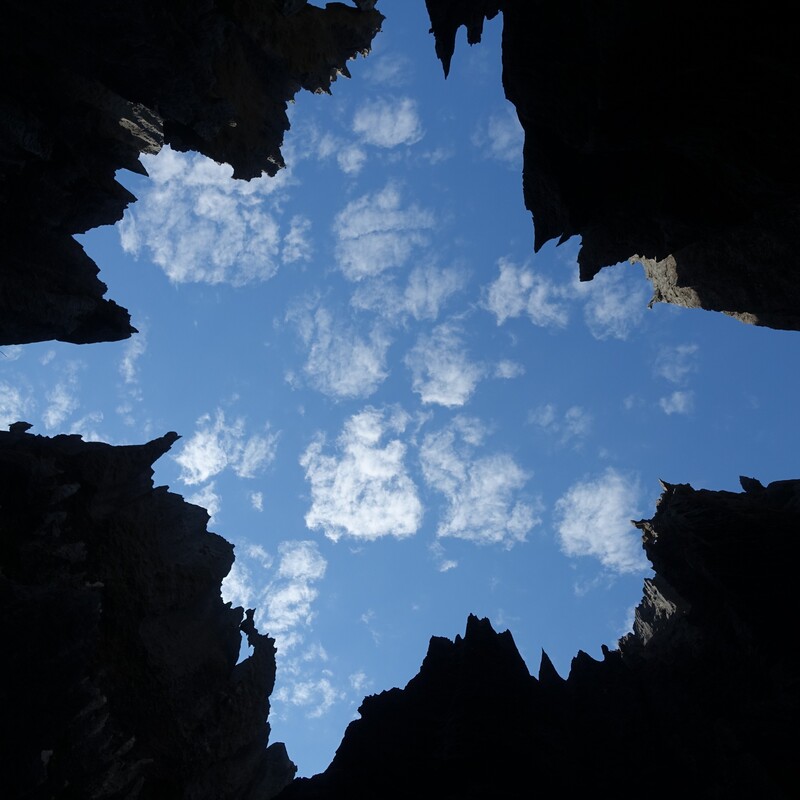
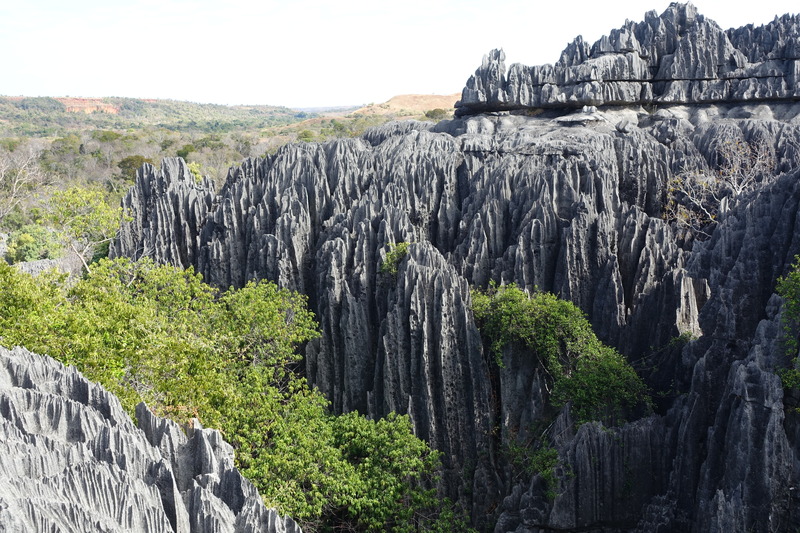
The next two days we visited Tsingy de Bemaraha National Park. The tsingy is a karstic rock formation where the limestone has vertical lines and sharp points at the top. There are two tsingy formations in this park and some others farther north in the country. We went on a canoe ride and hike (Petit Tsingy) our first day, and then a longer hike (Grand Tsingy) our second day. The focus here was geology, because Dex is a geologist, but biology was there for the viewing, too: the pachy podium, juba tree, strangle fig, black-winged stilt, knob-billed duck, dimorphic egret, Manavi long-fingered bat, green pigeon, forest rock thrush, paradise flycatcher, Madagascar coucal, crested coua, Malagasy giant chameleon (furcifer oustaleti), green gecko, antlion, and (because it's Madagascar) Decken's sifaka (white sifaka) and a red-tailed sportive lemur. The lemur is nocturnal, and we spotted it sitting sleepily in a tree nook, hoping we'd quickly leave. Which we did, because the Grand Tsingy was waiting, and along with checking out the limestone, we got to squeeze through cracks and crawl under things and climb up ladders and all sorts of strenuous activities. It's a beautiful area.
The road south was somehow worse than the road north. One aggravating factor is that somebody shot our car while we were driving along. That was a first for all of us. Fortunately, the bullet hit the driver's door and not the driver's window. At the time we didn't know what it was... We heard the noise and thought maybe the car is breaking (which happens a lot on that road) or a rock bounced off something (which happens a lot on that road), but some minutes later when we stopped for lunch, the bullet-shaped dent in the side panel was plain to see. Apparently that stretch of the road used to be even worse, the locals said, before they opened a new army base nearby. Anyway, after lunch at a fine French restaurant and another ferry ride, we continued south, and not long after the Baobab Forest the car broke down (which happens a lot on that road). Our driver had all the parts in the back, so he jacked it up, replaced the left-front bearing, lowered it down, and we hit the road an hour later, passed Avenue of the Baobabs just after sunset, and returned to Morondava for the evening. That was National Route 8.
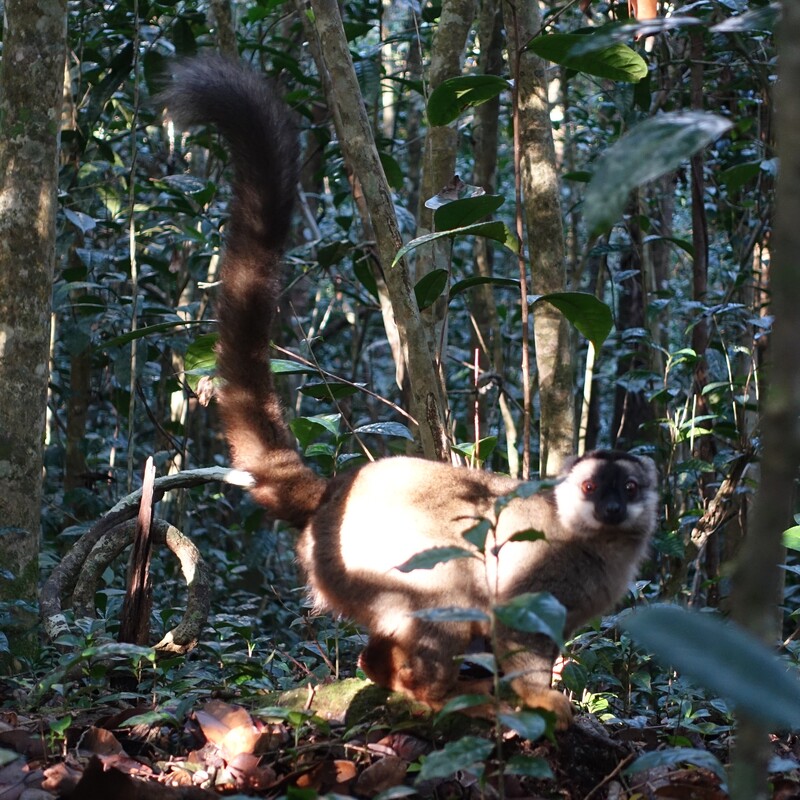
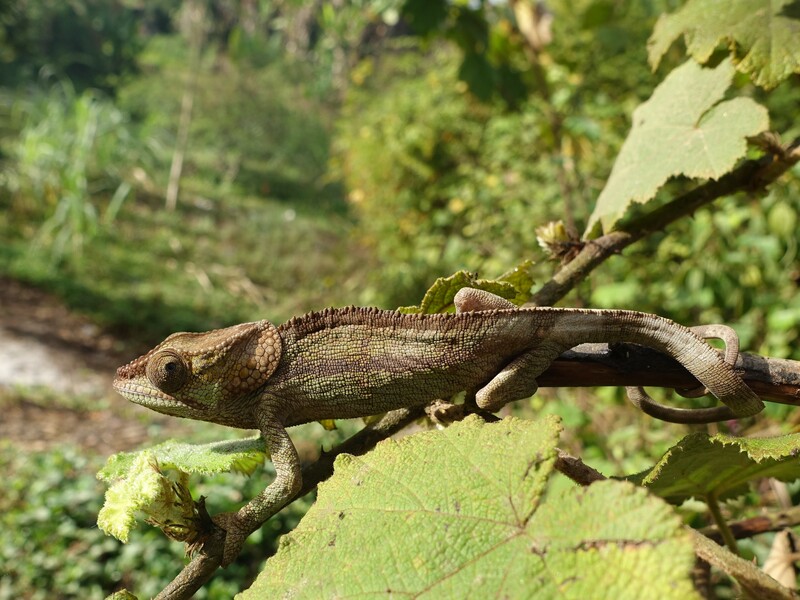
For the last leg of the trip, we flew to Antananarivo and drove east to Andasibe. The rain forest was similar to Ranomafana, but it's farther north, so you get to see different wildlife. We encountered the Goldman's mouse lemur, woolly lemur, brown lemur, diademed sifaka (golden sifaka), indri indri, elephant eared chameleon, and various birds. The indri indri sing in harmony several times each day. Going out to see wildlife is always a dice roll; even with experience guides (which we had), there are no guarantees for what you'll see on any given day. But overall, with multiple days and nights in multiple jungles, we got to see our fair share of the wildlife. A lot of these animals are only endemic to Madagascar (as the guides like to mention), so if you want to see them in the wild, take a trip down here someday.